
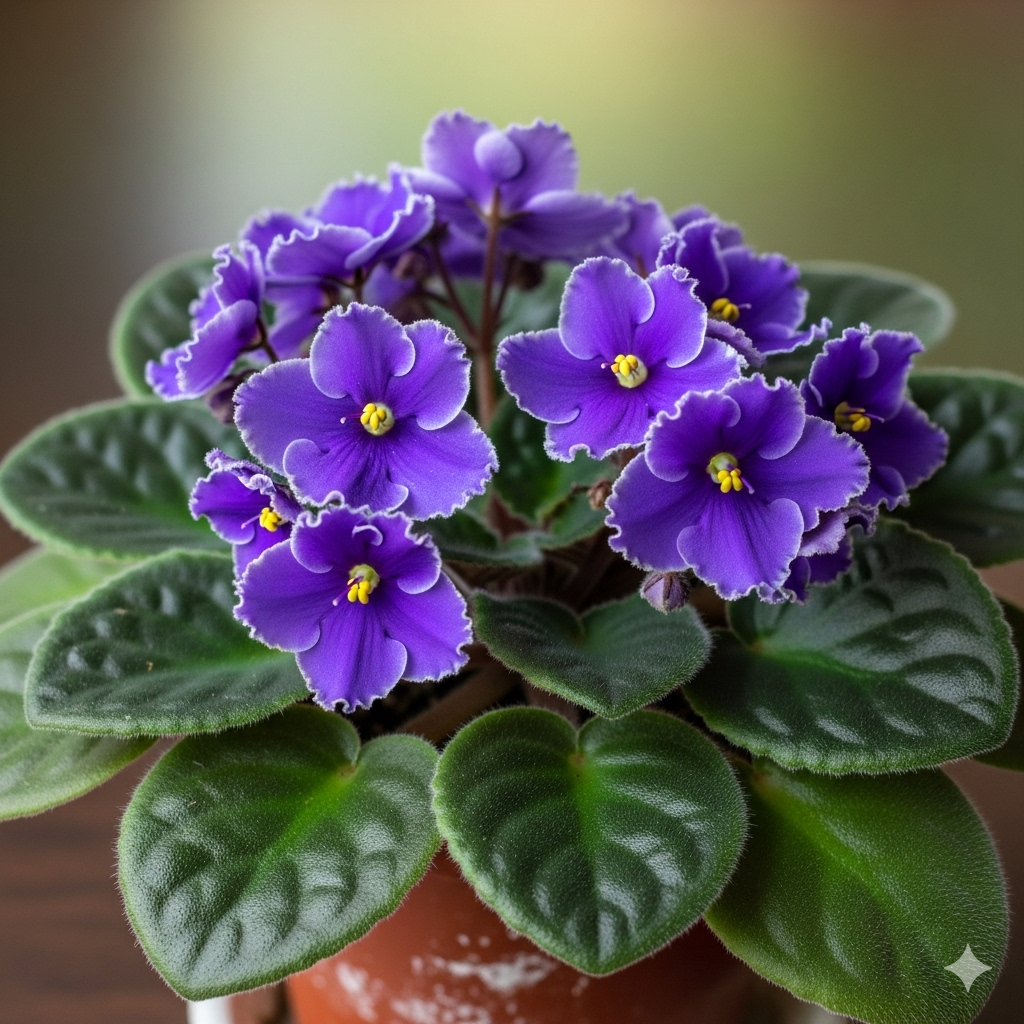
African violets (Saintpaulia ionantha) are cherished worldwide for their velvety leaves and clusters of vibrant blooms that can appear several times a year. Their compact size makes them perfect for windowsills, desks, and shelves, while their striking flowers add a splash of color to any indoor space. Despite their popularity, many plant owners wonder whether African violets can grow and bloom without direct sunlight.
The simple answer is yes—African violets do not require direct sunlight and, in fact, often perform better without it. Instead, they thrive in bright, indirect light that mimics their natural environment. Let’s explore how light impacts these delicate plants, what conditions they prefer, and how you can successfully grow African violets indoors even if your space lacks direct sun.
Natural Habitat and Light Preferences
African violets are native to the cloud forests of Tanzania and Kenya, where they grow on the shaded forest floor beneath taller vegetation. In their natural habitat, they are accustomed to receiving filtered or diffused light rather than strong, direct rays. This environment explains why they do not tolerate direct sunlight well indoors—it can scorch their soft, hairy leaves and cause permanent damage.
Instead, African violets are perfectly suited to bright, indirect light, which provides enough energy for photosynthesis while protecting their foliage from burns.
Can African Violets Grow Without Direct Sunlight?
Yes, African violets can grow—and even bloom abundantly—without direct sunlight. In fact, many experienced growers recommend avoiding direct sun altogether. Direct exposure, especially through south- or west-facing windows, can leave unsightly marks on their leaves.
What these plants do need is steady, indirect brightness. Placing them near an east-facing window is often ideal, as they receive gentle morning light that is not too intense. A north-facing window can also work, though growth may be slower, particularly during the winter months.
Signs of Too Little or Too Much Light
Like many houseplants, African violets will show visible signs if they are not receiving the right amount of light:
-
Too little light: Leaves may grow thin and dark green, flower production slows or stops, and the plant may look stretched out or leggy as it searches for more light.
-
Too much light: Leaves can appear pale or washed out, with brown, scorched edges. In extreme cases, direct sun can permanently damage the foliage.
-
Just enough light: The plant produces healthy, deep green leaves that lie flat in a rosette shape, and flowers appear regularly throughout the year.
Monitoring these signals allows you to adjust your plant’s placement for optimal growth.
Using Artificial Lighting for African Violets
For homes with limited natural light, artificial grow lights are an excellent alternative. African violets respond well to fluorescent or LED grow lights that provide full-spectrum illumination.
-
Fluorescent lights: Place the bulbs about 8–12 inches above the plants and keep them on for 12–14 hours a day.
-
LED grow lights: More energy-efficient and customizable, LED lights should also be positioned about a foot above the plant for consistent coverage.
Artificial lighting allows African violets to bloom reliably even in rooms without windows, making them an excellent choice for office spaces or apartments with minimal natural light.
Tips for Positioning African Violets Indoors
Finding the right location is crucial for healthy African violets. Here are some practical placement tips:
-
East-facing windows – Provide the ideal balance of bright but gentle light.
-
North-facing windows – Suitable in summer, though may need supplementation in winter.
-
Filtered south or west windows – Use sheer curtains to soften intense rays.
-
Shelves with grow lights – Great for multiple plants and consistent blooming.
-
Rotate regularly – Turning the pot every week helps ensure even light exposure and prevents uneven growth.
Other Care Factors That Complement Lighting
While light is a key factor, other conditions also influence African violet health:
-
Watering: Use room-temperature water and keep the soil evenly moist but never soggy. Avoid splashing water on leaves, as this can cause spotting.
-
Humidity: African violets appreciate moderate humidity. If your air is dry, place a humidity tray nearby.
-
Fertilization: Use a balanced fertilizer formulated for African violets to encourage consistent flowering.
Proper lighting combined with these care practices ensures your plants remain vibrant and productive.
Final Thoughts
African violets not only can grow without direct sunlight—they actually prefer it that way. Bright, indirect light provides the ideal environment for their delicate leaves and colorful blooms. Whether placed near an east-facing window, filtered with sheer curtains, or grown under artificial lights, these adaptable plants can thrive in a wide range of indoor settings.
By paying attention to their signals and adjusting their light exposure as needed, you can enjoy healthy African violets that flower beautifully year after year. Their low light tolerance makes them an excellent choice for plant lovers who want vibrant blooms without the challenge of managing harsh direct sun.